
Sleep Apnea Treatment – Allen, TX
Obstructive Sleep Apnea – OSA
What is Sleep Apnea?
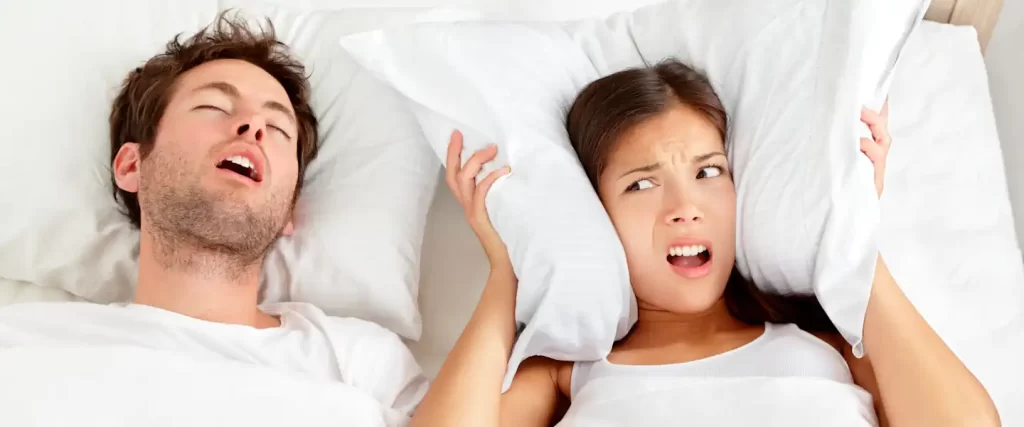
Sleep apnea is a disorder that results in brief pauses in breathing while sleeping, thus preventing oxygen from reaching the brain. This interruption in breathing can last anywhere from a few seconds to over a minute, and usually leads to the person waking and gasping for air to restore oxygen levels. Usually, the person falls back asleep quickly and is unaware there was even a problem. This cycle may occur hundreds of times a night and can be extremely disruptive to sleep.
Types of Sleep Apnea
There are three main types of sleep apnea
Obstructive Sleep Apnea (OSA) occurs when there is a physical obstruction of the airway. It is the most common type of sleep apnea and often accompanies signs of snoring, choking, and or gasping for air. At Texas Sleep Solutions, we work with local sleep physicians to determine the diagnosis and appropriate treatment.
Central Sleep Apnea (CSA) Occurs when the brain fails to signal the body to breathe. This is less common and there is often no blockage of the airway. Snoring is usually not a symptom associated with CSA.
Complex Sleep Apnea, also known as treatment-emergent central sleep apnea. This happens when OSA is being treated and then CSA begins to appear.
What Causes Sleep Apnea?
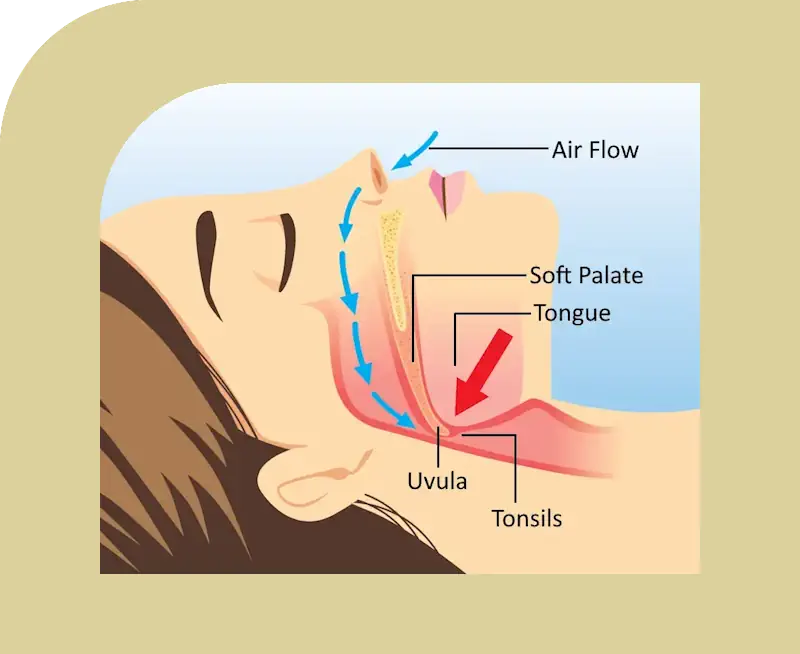
OSA is caused by the same mechanisms that produce snoring. The airway is blocked when muscles and soft tissues relax during sleep, and the tongue falls backward. Mild narrowing or obstruction may only cause snoring, while greater restrictions give rise to sleep apnea.
As with snoring, many factors can contribute to Obstructive Sleep Apnea. Excess weight, most significantly obesity, often plays a large role. Smoking, allergies and asthma increase the likelihood of OSA. Using alcohol and other sedatives also increase the odds since they relax the muscles in the airway.
Who Is At Risk for Sleep Apnea?
Men are about twice as likely as women to suffer from OSA. Race and ethnicity may play a role, but OSA can be found in all groups. It affects an estimated 18 million adults in the United States, but even children are known to suffer from OSA.
Larger than normal tonsils is often seen in children. The peak age where tonsils are the largest and airway is the smallest is generally around 6 years old. If you notice your child wetting the bed, having behavioral issues, or even trouble focusing in school, we recommend a consultation to rule out any airway or sleeping conditions.
Dangers of OSA

Untreated, sleep apnea is associated with many significant health dangers. It can lead to a range of cardiovascular diseases, including high blood pressure, heart attack, stroke and heart arrhythmias (i.e., irregular heartbeats). Sleep apnea can cause or worsen diabetes, cognitive impairments such as ADHD, and depression and anxiety.
Because sleep apnea hinders a good night’s sleep, there is a greater chance of injury due to accidents, both driving and work-related. Those who have untreated sleep apnea often times suffer from chronic headaches and jaw pain.
Research has shown that untreated sleep apnea can decrease your life expectancy as much as 10 to 15 years! If you or some you love is suspected of sleep apnea, contact us for a free consultation and a customized plan to help save your life or theirs.
Diagnosis of OSA
Up to 90% of people with sleep apnea are unaware of their condition. In fact, very often it is a family member affected by the snoring who brings attention to the problem. Normal physical checkups would not likely uncover sleep apnea, but these symptoms should lead you to explore the possibility that you are affected:
- Daytime sleepiness, especially feeling drowsy at work or while driving, even after a full night’s sleep
- Morning headaches
- Difficulty with concentration or memory
- Feeling irritable or depressed, or experiencing mood swings
- Frequently waking up to urinate
- Dry mouth or sore throat in the morning
Take this quiz as a simple way to see if you’re getting enough sleep.
Proper diagnoses must be done by a medical doctor. Your primary care physician may do a physical exam and evaluate your symptoms before referring you to a sleep specialist. At Texas Sleep & TMJ Solutions, we will work with your doctor and sleep physician to be sure you are properly diagnosed and treated. We can also help by recommending a trusted sleep specialist.
Sleep Apnea Treatment
Sleep apnea is treatable! Our goal is to restore regular breathing during sleep so that you can get a good night’s sleep.
As a result, you should experience immediate relief of certain symptoms, such as daytime drowsiness. Other medical conditions linked to sleep apnea should also start to improve.
The treatment for sleep apnea is often the same as for snoring.
Lifestyle Changes
These should be the first part of any treatment plan. We encourage healthy sleep hygiene as the best preventative measure. Lifestyle changes include:
- exercise and weight loss for those who are overweight
- stop smoking
- sleeping on your side
- avoiding alcohol and heavy meals within 3 hours of bedtime
- avoiding muscle relaxants (e.g. Ambien) if possible; we do not recommend altering medication without proper consent from your prescribing doctor.
OAT – Oral Appliance Therapy
Oral Appliance Theory is a great option for many people. We use a custom fitted mouthpiece to hold the jaw slightly forward in order to keep the upper airway open during sleep.
CPAP – Continuous Positive Airway Pressure
CPAP is a mask worn while sleeping, through which air is pumped to hold the airway open. This is considered the most effective treatment if used correctly.
Surgery
There are several different procedures that may relieve the problem, depending on the individual’s needs, Although these surgeries are permanent treatment options, they also are the most invasive solutions.
Sleep Apnea FAQs
Can I Have Sleep Apnea Without Snoring?
Yes. While snoring is a common symptom of sleep apnea, many people with obstructive sleep apnea don’t snore regularly.
Can I have a snoring problem without sleep apnea?
Yes. The same mechanics are at work, so the treatment for both is the same. But a snoring problem does not necessarily mean you have sleep apnea.
Is CPAP the most effective treatment?
CPAP is often the most effective treatment for sleep apnea that is moderate to severe.
Is an Oral Appliance as effective as CPAP?
Oral appliance therapy can be just as effective as CPAP for mild to moderate sleep apnea.
Each individual must be properly evaluated by an experienced professional to find the best treatment.
Success Stories


Super knowledgeable, took time to explain everything, got me exactly what I needed and resolved all my issues. Glad to have worked with them. Easy recommendation for anyone with sleep issues!
My sleep dentist and the staff at this location is are amazing! They helped me figure out what I needed to help me with my sleep issues and so far, its working super well! 😁 the mouth guard they molded specifically for my mouth has been helping my sleep and its now significantly better than it was before.
Dr. McDavid and Emily were extremely helpful during my treatment time. The dental appliance has been great in improving the quality of my sleep and in reducing my snoring. I was so satisfied that I recommended it to my husband! He is starting treatment next week.
Don’t Suffer Any More
At Texas Sleep & TMJ Solutions, our practice is focused solely on dealing with Sleep Apnea and TMJ treatment. Some people have overlapping problems with both of these issues, but many only suffer one or the other.
You don’t need to suffer from lack of sleep. Our sleep apnea experts will help you get the rest you need.

Contact Us Today and Get Relief
or